
The Allure of the Casino Environment
The casino environment is meticulously crafted to evoke excitement and thrill. From the vibrant lights flashing across the gaming floor to the sounds of coins cascading from machines, every element is designed to create an intoxicating atmosphere. The mingling scents of gourmet food and fresh drinks also serve to heighten the emotional experience. These sensory elements come together to captivate players, encouraging them to immerse themselves in the gambling experience. For those interested in the latest trends, canada sports betting colors like red and gold are intentionally chosen, as they evoke feelings of wealth and good fortune, reinforcing the players’ beliefs in luck and success.
Furthermore, the spatial layout of a casino is strategically designed to guide players through the space and encourage extended stays. Games are often positioned in high-traffic areas, and popular machines or tables are grouped together to create a sense of community and friendly competition. This social aspect of gambling is crucial, as individuals can share in the excitement of wins or the tension of near-misses. The psychological appeal of this communal experience enhances the enjoyment of gambling, making it a shared journey rather than a solitary activity.
The deliberate absence of windows and clocks in many casinos serves a vital psychological purpose. By disconnecting players from the outside world, these establishments create an environment where time becomes irrelevant. This tactic can lead to prolonged gambling sessions, as players often lose track of how long they have been engaged in their activities. The combination of these elements fosters an environment conducive to impulsive decisions and increased spending, further illustrating how the casino atmosphere can significantly impact psychological behavior.
The Role of Cognitive Biases
Cognitive biases are significant influencers of gambling behavior, shaping how individuals assess their chances of winning. One prevalent bias is the gambler’s fallacy, which leads players to believe that past random events can affect future outcomes. For example, if someone observes a specific slot machine paying out frequently, they may mistakenly believe that it is “due” for another win, despite the game’s inherent randomness. This misjudgment can fuel increased betting, driven by an inflated sense of confidence that can lead to substantial financial losses.
Another relevant bias is the illusion of control, where players feel they can influence outcomes in games that are fundamentally random, such as roulette or dice games. This illusion often pushes gamblers to take more significant risks, as they believe their skills or strategies can sway the result in their favor. The psychological need for control is particularly pronounced in chaotic environments, making the predictability of casino games appear more appealing. As a result, gamblers may develop personal rituals or strategies to enhance their perceived control, further entrenching their emotional investment in the game.

The concept of “near misses” is also particularly engaging in gambling scenarios. When a player comes close to hitting a jackpot or narrowly misses a win, the resulting excitement can be intoxicating and keep them engaged for longer. This phenomenon can lead to persistent participation, as players chase that exhilarating feeling of being close to a win. Casinos often design their games to capitalize on these cognitive biases, creating experiences that reinforce these psychological triggers and keep players returning in pursuit of that elusive jackpot.
The Emotional Rollercoaster of Gambling
The emotional experience of gambling can be likened to a rollercoaster ride, filled with exhilarating highs and devastating lows that significantly influence a player’s mental state. Winning generates a surge of elation and excitement, often accompanied by the release of dopamine, a neurotransmitter linked to pleasure and reward. This euphoric “high” can create an overwhelming desire to replicate those feelings, driving players to continue gambling in hopes of achieving similar success, regardless of the potential risks involved.
Conversely, experiencing losses can trigger intense feelings of disappointment and frustration. Many individuals grapple with strong emotional reactions to losing, often leading to a behavior known as chasing losses. This occurs when gamblers continue to wager in an attempt to recover previous losses, which can spiral into an unhealthy cycle. The hope of restoring emotional balance through a significant win can drive individuals to risk more than they can afford, deepening their financial and emotional investments in gambling.
Recognizing these emotional fluctuations is essential for both players and those concerned about gambling behavior. While gambling can be an enjoyable pastime when done occasionally, ongoing engagement driven by emotional highs and lows can lead to problem gambling or even addiction. Understanding these emotional dynamics allows individuals to foster healthier relationships with gambling, facilitating enjoyment without the risk of detrimental consequences.
Social Influences on Gambling Behavior
The social context of gambling plays a crucial role in shaping individual behaviors and decisions within casinos. Group dynamics can significantly influence how people gamble, as individuals often take cues from the actions and reactions of those around them. For instance, a player may feel emboldened to place larger bets when surrounded by friends who are celebrating wins or encouraging one another. This social approval and camaraderie can amplify the excitement of gambling, making the experience much more compelling and enjoyable.
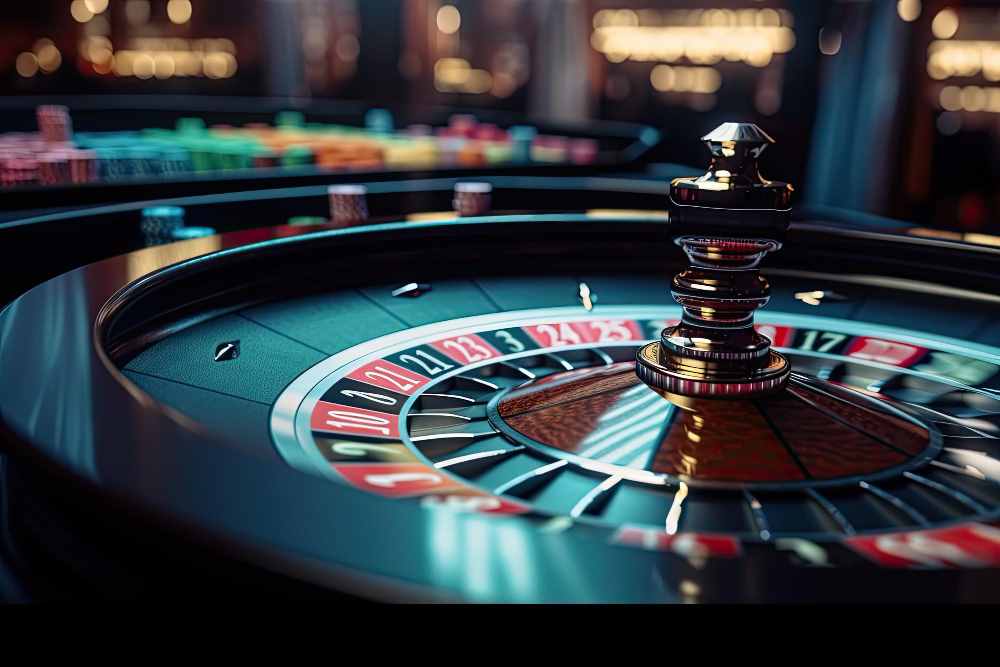
Social norms surrounding gambling also shape attitudes and behaviors. In certain cultures, gambling is regarded as a fun, acceptable form of entertainment, while in others, it may carry negative connotations. These societal views can impact individual choices about whether to participate in gambling activities. When gambling is viewed positively, individuals might feel a stronger social pressure to engage in these activities, which can lead to increased involvement in potentially risky behaviors.
The advent of technology has further transformed the dynamics of social gambling. Online casinos and mobile gaming applications have made it easier for people to gamble in social settings from the comfort of their own homes. Social media platforms enhance this experience by allowing individuals to share their gambling successes and experiences, which can significantly boost their motivation to participate in gambling activities. Understanding these social influences is essential for grasping how communal aspects of gambling contribute to individual decision-making processes and overall engagement.
Understanding Responsible Gambling and Resources
Recognizing the psychological factors driving gambling behavior is vital for promoting responsible gambling practices. Numerous organizations and resources exist to provide support for individuals grappling with gambling issues. These entities offer extensive information about the risks associated with gambling and strategies for maintaining control over one’s gambling habits. By understanding the principles of responsible gambling, individuals can engage in the activity in a healthier manner, emphasizing moderation and self-awareness.
Additionally, educational programs and materials are widely available to inform the public about problem gambling, its signs, and the potential consequences of excessive gambling. Awareness campaigns often emphasize the importance of setting limits, both in terms of time spent gambling and financial budgets, aiding individuals in responsibly managing their gambling activities. Providing these resources is crucial in empowering players to make informed decisions and avoid the pitfalls associated with gambling addiction.
Seeking professional help can also be an essential step for those struggling with gambling behavior. Therapy and support groups provide a safe environment for individuals to share their experiences and confront their gambling issues. Understanding one’s psychological triggers is a critical first step toward recovery, and professionals can assist in developing healthier coping mechanisms. Ultimately, promoting awareness and providing resources is integral to addressing the psychological aspects of gambling and fostering a more balanced relationship with the activity.
